How to Choose Energy-Efficient Smart Appliances
As the demand for sustainable living increases, more homeowners are seeking energy-efficient smart appliances. This guide will help you understand how to select appliances that not only save energy but also enhance your smart home ecosystem.
Understanding Energy Efficiency
Energy efficiency is vital in reducing utility costs and lessening environmental impact. According to the U.S. Department of Energy, energy-efficient appliances can use 10-50% less energy compared to their conventional counterparts. This improvement is typically achieved through advanced technologies and design enhancements.
"Energy-efficient appliances help reduce your carbon footprint while saving money on energy bills." - Energy Star Program
Key Features to Consider
When selecting energy-efficient smart appliances, consider the following key features:
- Energy Star Certification: Look for appliances with the Energy Star label, as this indicates they meet strict energy efficiency guidelines set by the EPA.
- Smart Technology: Many energy-efficient appliances offer smart technology features, such as remote monitoring and control, which help optimize energy use.
- Size and Capacity: Choose appliances that fit your household needs without excess capacity, as larger appliances can consume more energy than necessary.
Assessing Appliance Performance
Evaluating the performance of appliances is crucial. Research shows that consumers often overlook certain metrics:
- Annual Energy Use: Check the estimated annual energy use, typically displayed in kilowatt-hours (kWh). This helps you predict energy costs over time.
- Water Efficiency: For appliances like dishwashers and washing machines, water efficiency ratings can significantly impact overall utility bills.
- Warranty and Support: Reliable manufacturers often provide extended warranties and customer support for their energy-efficient products, ensuring longevity and reliability.
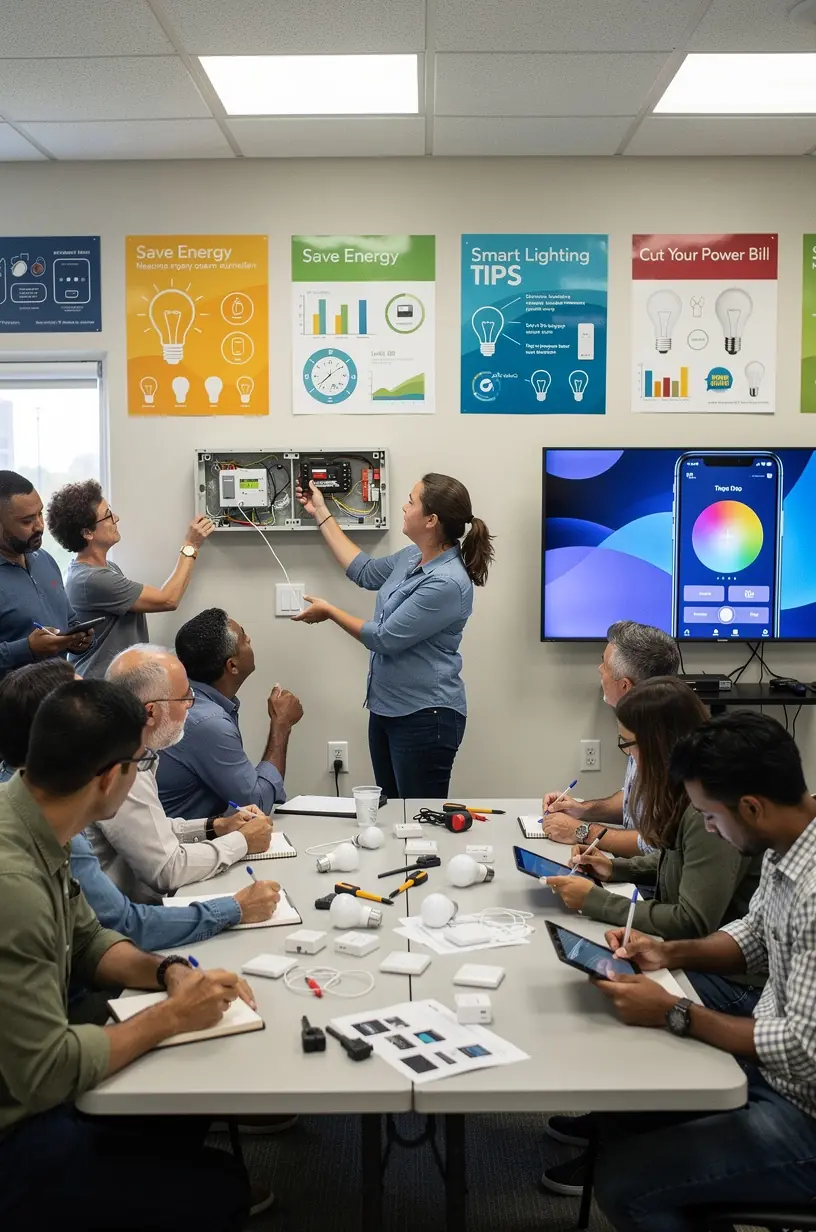
DIY Installation vs. Professional Help
Choosing between DIY installation and hiring a professional depends on your comfort level and the complexity of the appliance. While some smart appliances may offer straightforward installation, others can require specialized skills. A common recommendation is to consult the manufacturer's guidelines and consider professional installation for complex systems to ensure optimal performance and safety.
Conclusion
Choosing energy-efficient smart appliances involves understanding their features, assessing their performance, and considering installation options. By prioritizing energy efficiency, you can contribute to sustainable living while enjoying the benefits of modern technology. Start by researching models that fit your needs and always look for credible certifications to ensure you're making informed choices.