Case Study: Impact of Smart Tech on Energy Bills
In an era where energy efficiency is crucial for both environmental sustainability and household savings, many homeowners are turning to smart home technologies. This article explores a recent case study that highlights the real-world impact of smart tech on energy bills, offering insights into how these systems work and the potential benefits they provide.
Understanding Smart Home Technologies
Smart home technologies generally refer to systems that automate various household functions, such as lighting, temperature control, and energy consumption monitoring. According to industry research, these technologies can significantly improve energy efficiency and reduce utility costs. For instance, smart thermostats can learn user habits and adjust heating and cooling accordingly, typically leading to a reduction in energy usage of 10-15%.
"Studies show that households utilizing smart home technologies have reported an average savings of 20% on their energy bills over a year."
The Case Study: A Real-World Example
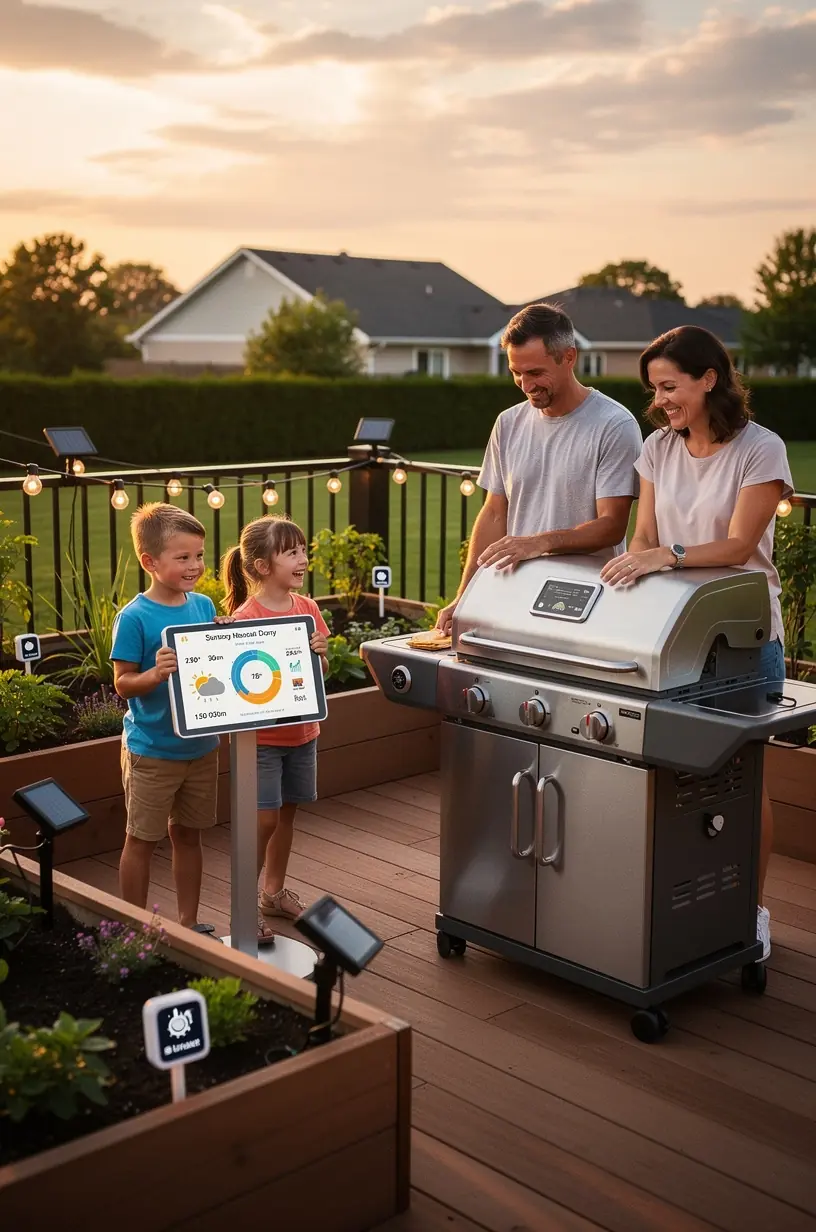
In our case study, a family in a suburban neighborhood adopted several smart technologies, including smart thermostats, smart lighting, and energy monitoring systems. Over the course of one year, they tracked their energy usage and costs. Here are the key findings:
- Smart Thermostat: By replacing their traditional thermostat with a smart version, the family reduced their heating and cooling costs by approximately 15%. This was largely due to the thermostat's ability to adjust settings based on occupancy and preferences.
- Smart Lighting: Switching to smart LED bulbs not only provided better lighting but also reduced overall electricity usage by about 10%. These bulbs can be programmed to turn off when not in use, further conserving energy.
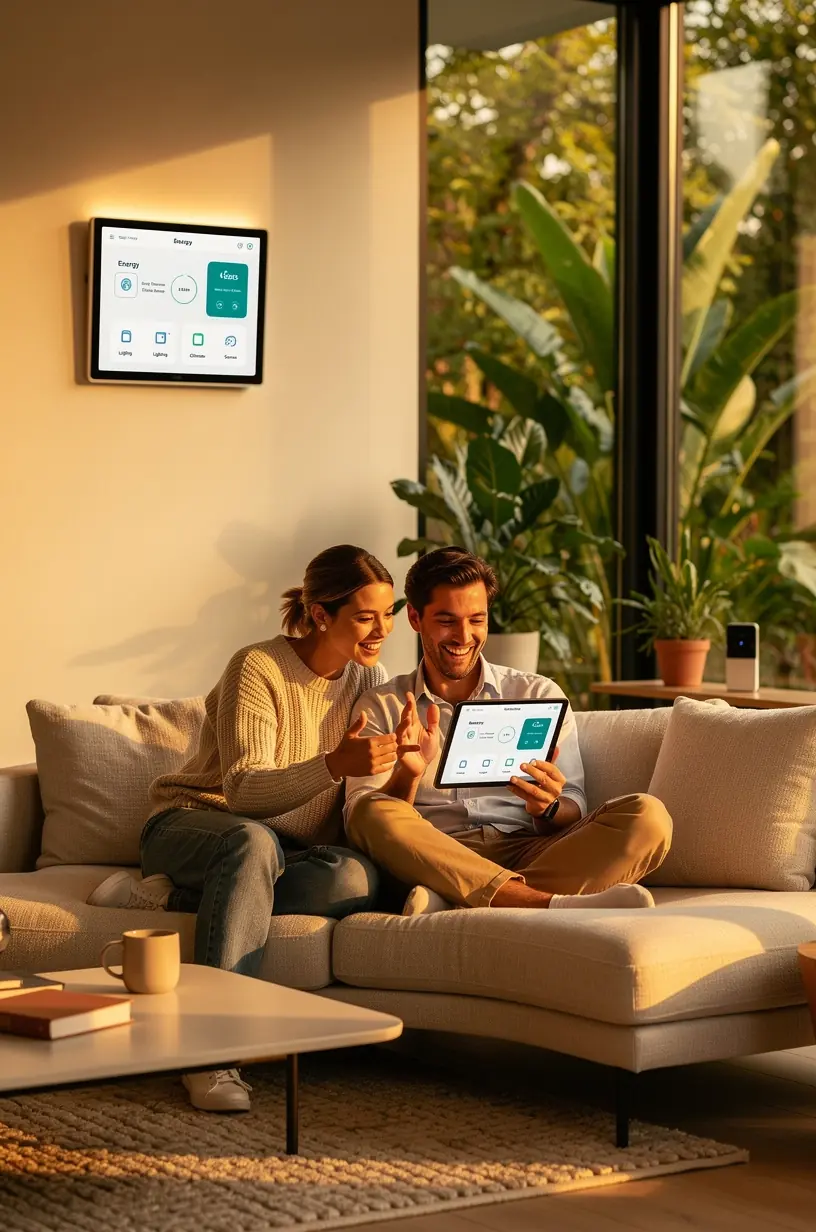
- Energy Monitoring System: The family installed an energy monitoring system that provided real-time feedback on their energy consumption. This helped them identify peak usage times and adjust their habits accordingly, resulting in an additional 5% savings.
Challenges and Considerations
While the results of this case study are promising, it is important to acknowledge certain challenges associated with smart home technologies. These may include:
- The initial setup may require some technical knowledge, and users should be prepared for a learning curve.
- Integration of various devices can sometimes be complex, particularly with different brands and platforms.
- Users should consider the ongoing maintenance and potential need for software updates to keep devices functioning optimally.
Conclusion
This case study demonstrates that the implementation of smart technologies in the home can lead to meaningful reductions in energy bills. While the transition to a smarter home demands some upfront effort and learning, many homeowners find that the long-term savings and benefits to energy efficiency are well worth it. For homeowners looking to enhance their sustainability efforts, investing time in understanding and adopting these technologies can be a significant step toward a more energy-efficient lifestyle.