
Understanding Smart Home Energy Management Systems
As technology continues to evolve, smart home energy management systems (SHEMS) have emerged as a vital component for tech-savvy homeowners seeking to enhance energy efficiency and sustainability. In this article, we will explore what SHEMS are, how they work, and their potential benefits for both the environment and your home.
Understanding the Basics
Smart Home Energy Management Systems are designed to monitor and control energy consumption in residential settings. Typically, these systems integrate with various smart devices, allowing homeowners to track energy usage, automate energy-saving settings, and optimize overall consumption. According to industry experts, the implementation of SHEMS can lead to significant reductions in energy usage, usually in the range of 10-30% in similar households.
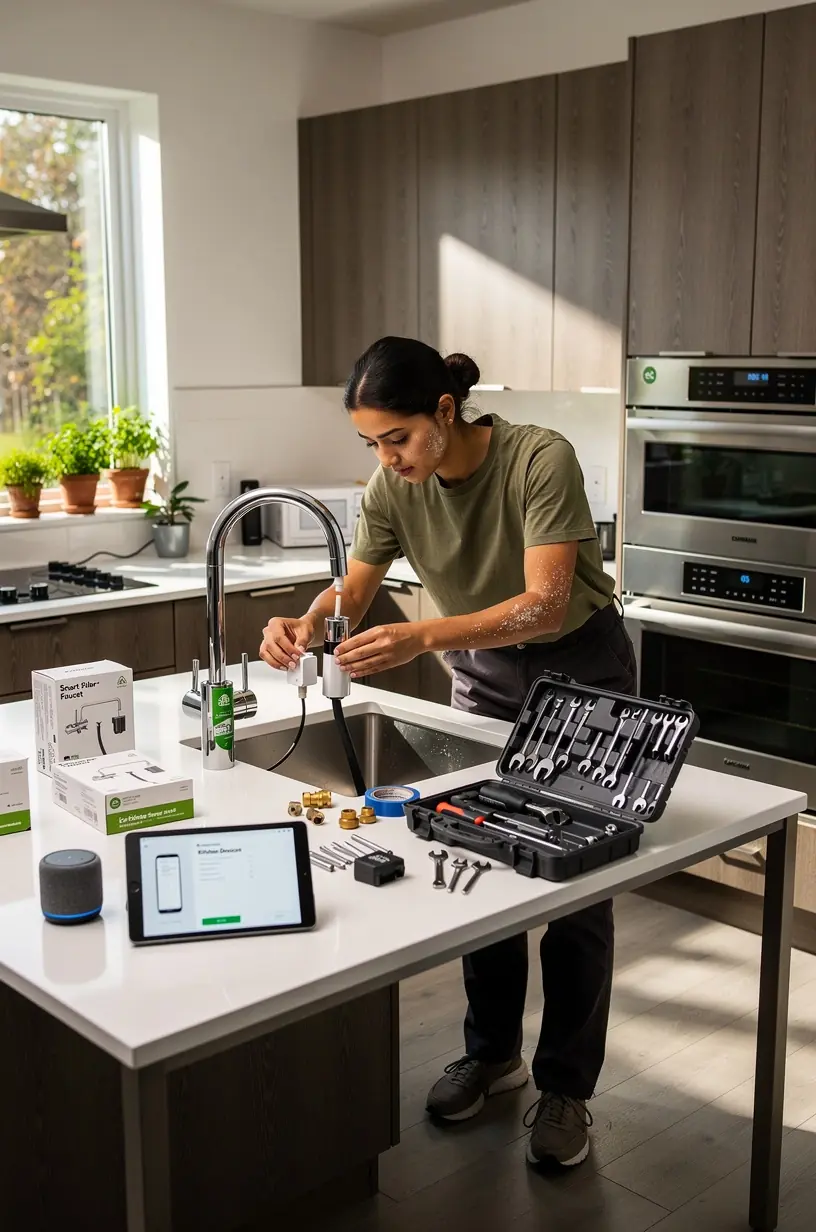
"Smart home energy management systems not only enhance convenience but also play a crucial role in reducing our carbon footprint." - Energy Efficiency Expert
How Do Smart Home Energy Management Systems Work?
The functioning of SHEMS revolves around several core components:
- Smart Meters: These devices provide real-time data on energy consumption, allowing users to track their usage patterns.
- Home Automation Devices: Thermostats, lighting systems, and appliances can be remotely controlled and programmed to reduce energy usage during peak hours.
- Mobile Applications: Many SHEMS come with user-friendly apps that enable homeowners to monitor and manage their energy consumption from anywhere.
The principle behind SHEMS is to create an interconnected ecosystem where devices communicate with each other. This allows homeowners to make informed decisions about their energy use, contributing to both sustainability and cost savings. Many users report that by adjusting settings based on real-time data, they can avoid unnecessary energy expenditures.
Practical Application of SHEMS
Implementing a Smart Home Energy Management System typically involves several steps:
- Assess Your Energy Needs: Before installing a SHEMS, evaluate which devices consume the most energy in your home.
- Choose Compatible Devices: Opt for smart appliances and devices that integrate seamlessly with your SHEMS.
- Set Up Monitoring: Use the system’s app to track energy consumption over time and identify patterns that can be adjusted.
- Automate Savings: Program your devices to operate during off-peak hours to maximize energy efficiency.
It’s important to note that while SHEMS can provide substantial benefits, they require a commitment to understanding how to utilize the features effectively. Users may find that it takes a few weeks to fully adjust and realize the potential savings.
Conclusion
In conclusion, Smart Home Energy Management Systems represent a significant advancement in home automation technology. By utilizing these systems, homeowners can not only enhance their energy efficiency but also contribute to a more sustainable future. While the initial setup may require time and effort, the long-term benefits in terms of energy savings and environmental impact are well worth it. As the technology continues to evolve, staying informed and engaged will ensure that you maximize the potential of your smart home ecosystem.
Explore Further