Practical Guide to DIY Smart Lighting Installation
Transforming your home into a smart abode can be both exciting and overwhelming. This guide provides practical insights into the process of installing smart lighting, focusing on energy efficiency and ease of use for tech-savvy homeowners.
Understanding Smart Lighting
Smart lighting systems allow you to control your home’s lighting remotely via smartphones or smart devices. According to industry experts, these systems can help enhance energy efficiency by allowing homeowners to automate lighting schedules and monitor usage patterns. The principle behind smart lighting is straightforward: they can adapt to your daily routines, thus reducing energy consumption.
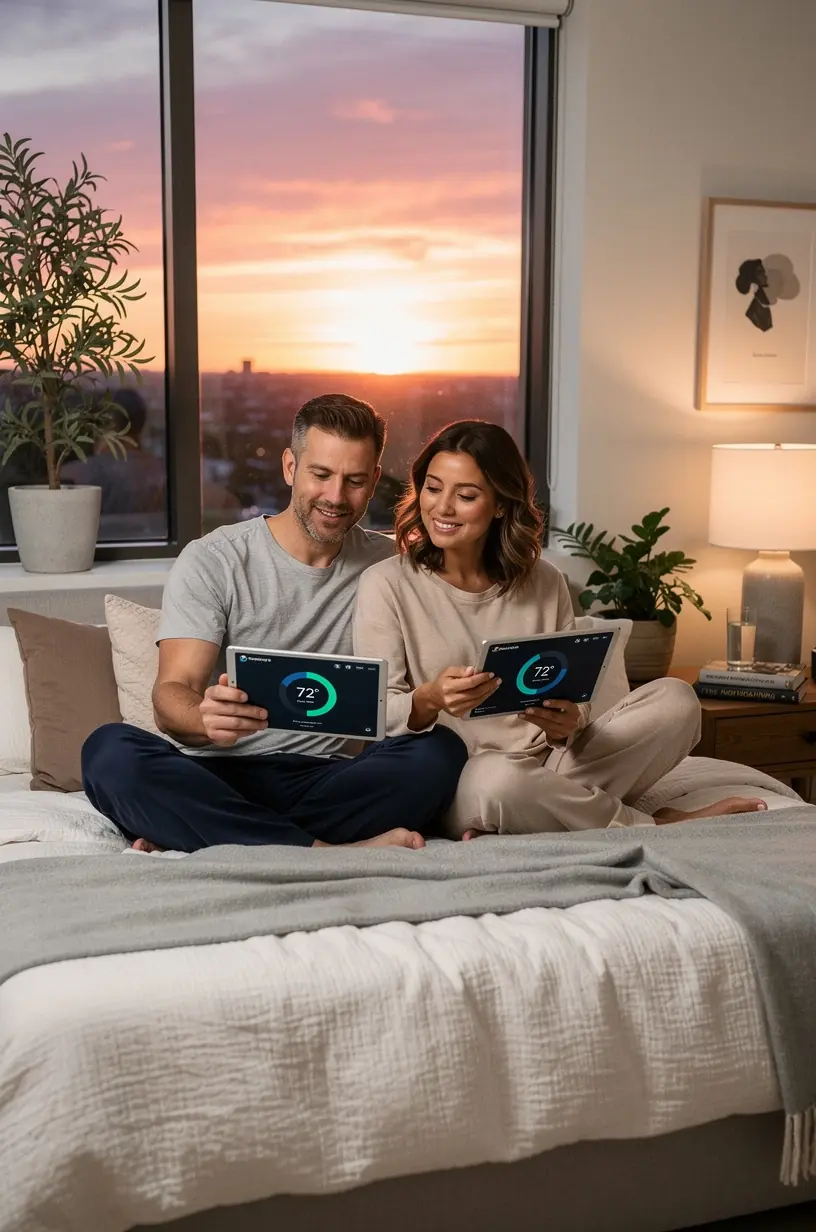
"Smart lighting not only enhances convenience but also plays a significant role in sustainable living practices by minimizing energy waste." - Home Automation Expert
Choosing the Right Products
When selecting smart lighting products, consider the following:
- Compatibility: Ensure the lighting system is compatible with your existing home automation setup.
- Type of Bulbs: LED bulbs are often recommended due to their longevity and energy efficiency.
- Control Options: Look for systems that offer both app control and voice command features for flexibility.
Installation Process
Installing smart lighting can typically be done in a few straightforward steps:
- Assess Your Needs: Determine which areas of your home you want to automate and the types of lights required.
- Gather Tools: Basic tools such as screwdrivers and wire cutters may be required, depending on your current lighting setup.
- Follow Manufacturer Instructions: Each product comes with its own installation guide. Follow these guidelines carefully to ensure safety and proper functionality.
- Connect to Your Network: Once installed, connect your smart lights to your home Wi-Fi network according to the instructions provided, enabling remote control.
- Test the System: Before finalizing the installation, check that all lights are functioning correctly through the app.
Maintaining Your Smart Lighting
Maintenance is essential for ensuring the longevity of your smart lighting system. Regularly check for software updates, and clean the fixtures to maintain optimal performance. Additionally, many users report that scheduling lights to turn off when not in use can significantly enhance energy savings over time.
Conclusion
Installing smart lighting is a practical step towards a more energy-efficient and convenient home. While the process may involve a learning curve, many homeowners find the benefits far outweigh the initial challenges. By following this guide, you can successfully enhance your living space while contributing positively to your environmental footprint.