The Role of IoT in Energy Conservation for Homes
As homeowners increasingly seek sustainable living solutions, the Internet of Things (IoT) has emerged as a crucial player in enhancing energy efficiency. This article explores how IoT technologies can contribute to energy conservation in residential settings.
Understanding IoT and Energy Efficiency
The Internet of Things refers to the interconnected network of devices that communicate and share data with one another. In the context of energy conservation, IoT devices can monitor energy usage patterns and provide actionable insights to homeowners. According to industry experts, implementing IoT technology typically leads to a reduction in energy consumption by 10-30% in homes that adopt smart solutions.

"The integration of IoT technologies in residential systems can significantly enhance energy management, often resulting in lower utility bills and a reduced environmental footprint." - Energy Efficiency Expert
How IoT Works in Energy Conservation
IoT devices collect data on energy usage and automate various home functions. Here are some key aspects of how this technology contributes to energy efficiency:
- Smart Thermostats: These devices adjust heating and cooling based on occupancy and weather patterns, optimizing energy use. Research indicates that households using smart thermostats can save up to 15% on heating and cooling costs.
- Smart Lighting: IoT-enabled lighting systems can automatically adjust brightness based on the time of day or occupancy, which can lead to significant savings over traditional lighting systems.
- Energy Monitoring Systems: These systems provide real-time data on energy consumption, allowing homeowners to identify high usage areas and adjust habits accordingly. Many users report a decrease in energy waste after implementing these systems.
Challenges and Considerations
While IoT technologies can significantly assist in energy conservation, there are challenges to consider:
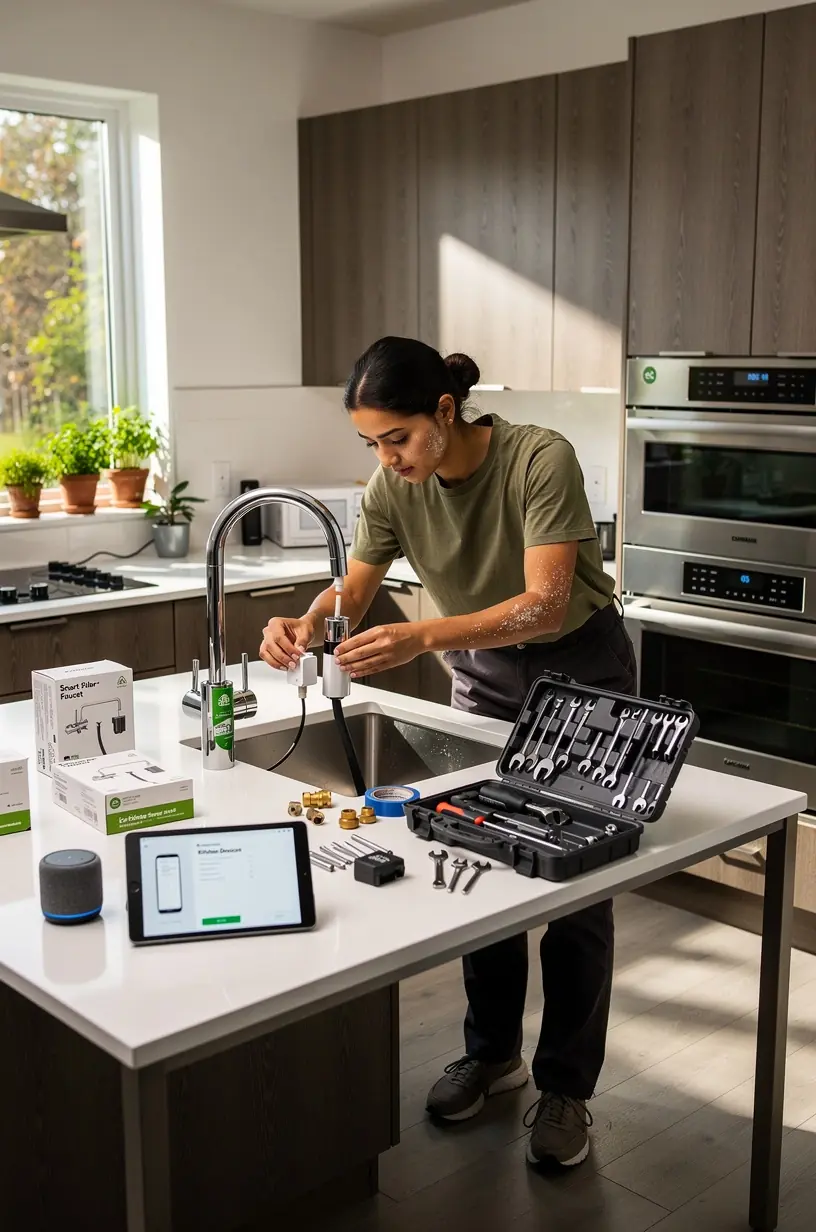
- IoT systems often require an initial setup period and may involve a learning curve for users unfamiliar with smart technologies.
- Integration with existing home systems can vary in complexity, and some homeowners may face compatibility issues.
- Data privacy and security are critical concerns when using connected devices, and homeowners should ensure they use secure networks and trusted devices.
Conclusion
Incorporating IoT technologies into residential settings can be an effective approach to energy conservation. By leveraging smart devices, homeowners can reduce energy costs and minimize their environmental impact. While challenges exist, the potential benefits make it worth considering the adoption of IoT solutions for a more sustainable lifestyle.