Expert Insights on Sustainable Home Automation Trends
As homeowners increasingly prioritize sustainability, the rise of smart home automation technologies offers innovative solutions for reducing energy consumption and environmental impact. This article explores the latest trends in sustainable home automation, providing expert insights on how these technologies can enhance energy efficiency while promoting a greener lifestyle.
Understanding the Landscape of Sustainable Home Automation
Smart home automation encompasses a range of technologies designed to enhance the efficiency and convenience of residential living. According to a 2022 study by the American Council for an Energy-Efficient Economy (ACEEE), integrating smart technology in homes can lead to a reduction in energy consumption by approximately 15-20% in most cases. This is achieved through systems that optimize energy use and provide homeowners with real-time data on their consumption patterns.

"Utilizing smart home technologies can significantly lower energy consumption and contribute to a sustainable future." - Energy Efficiency Expert
Current Trends in Sustainable Home Automation
Several key trends are shaping the future of sustainable home automation:
- Smart Thermostats: These devices learn your heating and cooling preferences and adjust settings automatically. Research shows that homes equipped with smart thermostats can save around 10-12% on heating costs and 15% on cooling costs annually.
- Energy Monitoring Systems: These systems provide insights into energy usage, allowing homeowners to identify patterns and make informed decisions. Many users report a reduction in energy bills after implementing monitoring solutions.
- Smart Lighting: Energy-efficient LED bulbs paired with smart lighting controls can reduce electricity usage significantly. Studies indicate that these systems can save up to 70% of lighting energy compared to traditional methods.
Implementing Sustainable Automation Solutions
Installing sustainable home automation technologies often involves a learning curve, but the effort can yield substantial benefits. Here are some practical steps homeowners can take:
- Assess Your Home's Needs: Determine which areas of your home could benefit most from automation, considering factors such as energy use patterns and existing technology.
- Research Available Technologies: Explore different products and solutions available in the market. Industry experts recommend looking for systems that are compatible with existing infrastructure to ensure seamless integration.
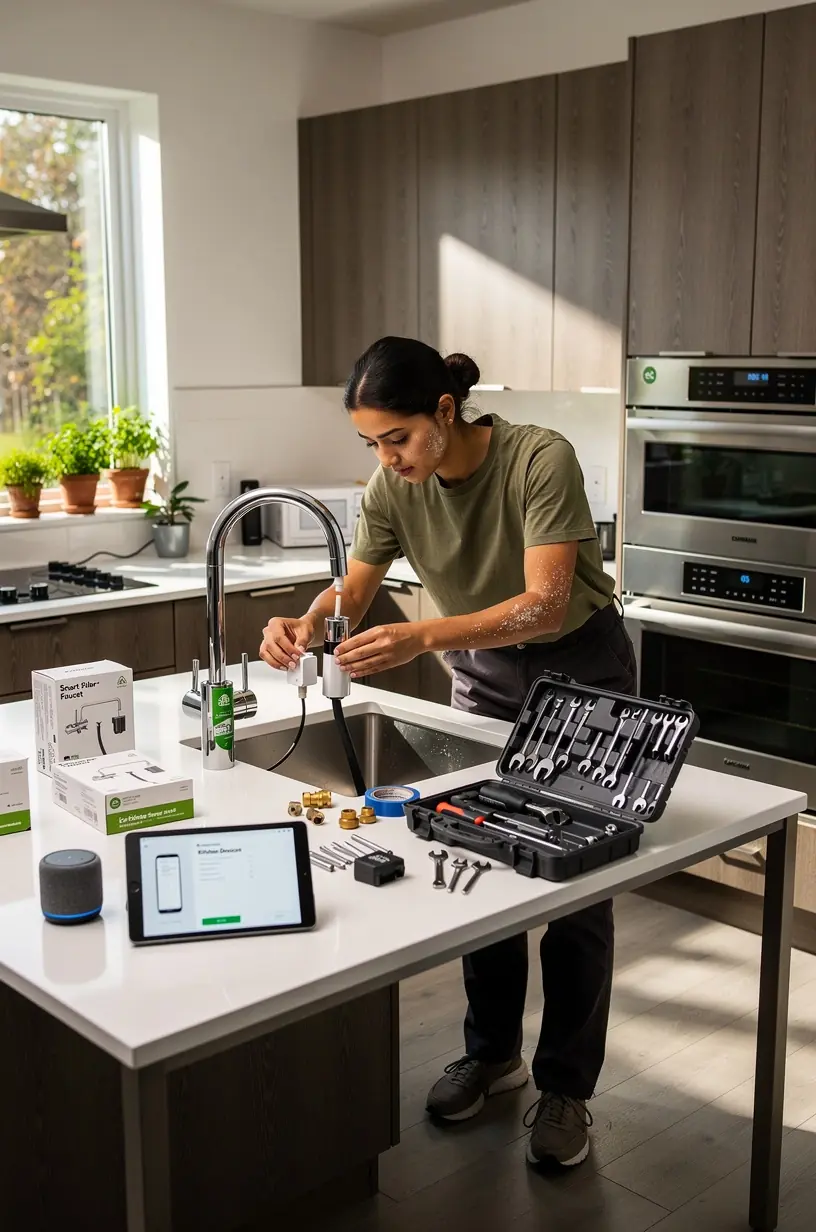
- Consider DIY vs. Professional Installation: While many systems can be installed by savvy homeowners, some may require professional assistance, particularly those involving electrical work. It’s important to evaluate your comfort level and available resources.
Challenges and Considerations
While the benefits of smart home automation are compelling, it is essential to acknowledge potential challenges. For instance, achieving optimal results with these technologies typically involves a commitment to ongoing learning and adjustments. Homeowners may need to invest time in understanding how to best utilize their systems to maximize energy savings.
Conclusion
As we move towards a more sustainable future, adopting smart home automation technologies offers a promising avenue for homeowners to reduce their environmental impact. By staying informed about current trends and understanding the practicalities of implementation, homeowners can make educated choices that promote energy efficiency and sustainable living. Embracing these innovations not only benefits individual households but also contributes to broader environmental goals.